22-April-2025
Khyber Pakhtunkhwa Increases Seminary Grant to Rs 100 Million: A Step Towards Educational Integration
In a major policy decision, the Khyber Pakhtunkhwa (KP) government has increased the grant for religious seminaries from Rs 30 million to Rs 100 million. The decision was announced by KP’s Information Adviser, Barrister Saif, following a high-level meeting chaired by Chief Minister Ali Amin Gandapur.
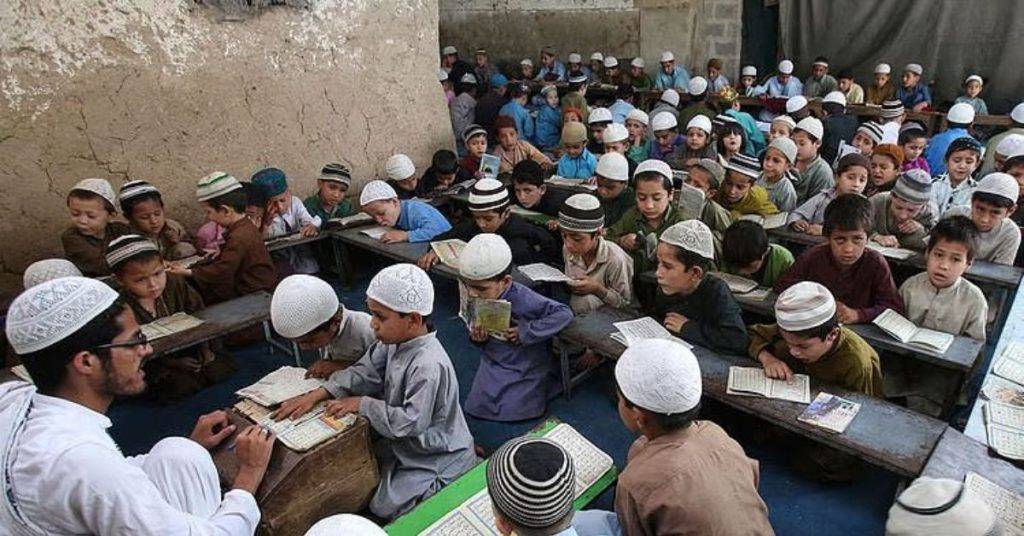
This move underscores the provincial government's commitment to supporting the welfare and development of students enrolled in religious seminaries, commonly known as madaris.
Key Highlights of the Announcement
| Aspect | Details |
|---|---|
| Previous Seminary Grant | Rs 30 million |
| New Seminary Grant | Rs 100 million |
| Announced By | Barrister Saif (Information Adviser, KP) |
| Approval Authority | Chief Minister Ali Amin Gandapur |
| Core Objective | Integration of religious and modern education |
Government’s Vision for Seminaries
Commitment to Religious Students
Barrister Saif stated that students studying in madaris are not only scholars of religion but also valuable national assets. The government aims to uplift these students through both financial support and educational reforms.
“We consider madrassa students as a vital part of the nation’s future. Our goal is to empower them both spiritually and intellectually,” said Barrister Saif.
Educational Integration
The KP government plans to implement a system where religious education is complemented by modern disciplines such as science, mathematics, computer studies, and vocational training.
Goals of Educational Integration:
-
Bridge the gap between traditional and modern education
-
Equip students with real-world skills
-
Promote critical thinking and civic understanding
-
Enhance employment opportunities for seminary graduates
Benefits of the Increased Grant
The increased funding is expected to benefit thousands of students and faculty members across KP. Here's how:
🔹 Infrastructure Development
-
Renovation of seminary buildings
-
Upgrading libraries and resource centers
-
Installation of multimedia and IT equipment
🔹 Curriculum Expansion
-
Introduction of English, Computer Science, and STEM subjects
-
Teacher training workshops on modern pedagogical methods
🔹 Student Welfare
-
Scholarship schemes
-
Nutritional programs
-
Health checkups and counseling services
Public Response and Stakeholder Support
The decision has been welcomed by religious scholars, educationists, and parents alike. Many believe this is a long-awaited step towards national educational harmony.
📢 What Stakeholders Are Saying:
-
Religious Leaders:
"This initiative strengthens our community and ensures our students don’t fall behind in modern knowledge." -
Educational Reformers:
"Merging religious and modern education is the key to a balanced, inclusive society."
Challenges and Considerations
While the initiative is commendable, it comes with certain challenges:
❗ Key Challenges:
-
Resistance to curriculum change from traditional circles
-
Ensuring quality standards across hundreds of madaris
-
Training a sufficient number of teachers proficient in both religious and modern subjects
✅ Government Strategy:
To address these challenges, the government is expected to launch:
-
Awareness campaigns
-
Incentive programs for cooperation
-
Teacher exchange and scholarship programs
A Model for Other Provinces
With this substantial increase in funding and a focus on educational integration, KP has set a progressive example for other provinces. If implemented successfully, this model can be replicated nationwide to modernize madaris education without compromising religious values.
The Khyber Pakhtunkhwa government’s decision to boost the grant for religious seminaries from Rs 30 million to Rs 100 million is not just a financial uplift — it's a bold step towards educational reform. By recognizing the importance of integrating religious and modern education, KP is paving the way for a balanced, enlightened, and inclusive society.
The success of this initiative could reshape the future of thousands of students and inspire similar reforms across Pakistan.