17-April-2025
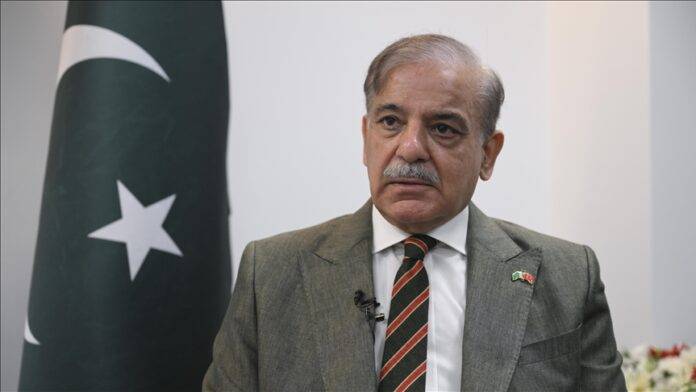
PM Shehbaz Sharif Orders Mandatory IT Education from Grade 6 Across Pakistan
Prime Minister Shehbaz Sharif, in a high-level meeting on Wednesday, emphasized a bold new vision for Pakistan’s youth: making Information Technology (IT) a mandatory subject from Grade 6 across all schools in the country. The move aims to prepare the younger generation for the demands of the modern digital economy and to empower them for both national and international job markets.
A National Strategy to Digitize Education
In a statement issued by the Prime Minister’s Office, PM Shehbaz declared that the IT sector and IT exports are a top priority of the government. To actualize this vision, he directed officials to collaborate closely with provincial governments to implement standardized and high-quality IT curricula across:
- Schools
- Colleges
- Universities
“Incorporating IT into the school curriculum is essential to equipping our youth for the digital economy,” said Prime Minister Shehbaz Sharif.
Key Directives from the Meeting
The high-level meeting also included a comprehensive briefing from the Ministry of Information Technology and Telecommunication. Here are the core outcomes:
1. Mandatory IT Subject from Grade 6
- All schools across Pakistan to include IT as a core subject from Grade 6.
- Standardized curriculum development in collaboration with provincial education departments.
2. Targeted Training in Underdeveloped Areas
Special focus areas for digital inclusion:
- Islamabad
- Gilgit-Baltistan
- Azad Jammu and Kashmir
- Balochistan
3. Emphasis on Quality and Global Competitiveness
- Training programs will follow international standards.
- The aim is to make students competitive in both local and global job markets.
Nationwide IT Training Achievements (2024–2025)
The Ministry highlighted impressive figures for the ongoing fiscal year in terms of IT skills development.
| Training Type | Individuals Trained |
|---|---|
| Advanced IT Training | 49,800 |
| General IT Training | 600,000+ |
School Broadband Connectivity Project
Another major initiative under review was the School Broadband Connectivity Project, which is working to:
- Enhance internet infrastructure in public schools.
- Begin with schools in Islamabad, expanding to other regions later.
Huawei’s Role in Nationwide IT Empowerment
China’s tech giant Huawei is playing a pivotal role in providing training and upgrading infrastructure. Collaborations have been launched across multiple fronts:
Huawei’s Institutional Partnerships
- International Islamic University, Islamabad
- National University of Sciences and Technology (NUST)
- COMSATS University, Lahore
Technologies Covered in Training
- Artificial Intelligence (AI)
- Cloud Computing
- Big Data
- Cybersecurity
Universities Offering Specialized Huawei Training
| University | Specialization |
|---|---|
| Ghulam Ishaq Khan Institute of Engineering Sciences, Topi | AI, Cloud, Cybersecurity |
| University of Engineering and Technology (UET), Taxila | Big Data, AI |
| Mehran University of Engineering and Technology, Jamshoro | Cybersecurity, Cloud Computing |
Massive Scale-up in Student Access and Labs
In collaboration with the Ministry of Federal Education and Professional Training, Huawei will also contribute to:
- Training 146,367 students nationwide
- Upgrading 1,300 IT laboratories
This initiative will especially benefit students in:
- Islamabad
- Gilgit-Baltistan
- Azad Jammu and Kashmir
Vision for a Digitally Skilled Pakistan
PM Shehbaz’s Long-Term Goals:
- Create a tech-savvy workforce starting at the school level.
- Expand digital infrastructure in remote and underprivileged areas.
- Encourage public-private partnerships to boost IT growth.
- Position Pakistan as a competitive IT export hub.
A Step Toward a Digital Pakistan
The directive to make IT education mandatory from Grade 6 marks a transformational moment for Pakistan’s education and digital development sectors. With projects like the School Broadband Connectivity and collaborations with Huawei, the government is laying down a strong digital foundation for future generations.
This comprehensive strategy ensures that every student, regardless of their geography, has access to the tools and skills needed to thrive in the evolving digital economy.